




East Coast Flash Flooding: Prompt Alerts for Millions Across Major Metro Areas


Heavy rain triggered dangerous East Coast flash flooding on Sunday, putting millions under alert. The storm stretched from Washington, D.C., to Boston, covering roads and disrupting travel. Emergency teams rescued stranded drivers across New York, Philadelphia, and Connecticut as waters rose quickly.

East Coast flash flooding
East Coast flash flooding hits the tri-state area
East Coast flash flooding hit parts of Connecticut, New York and New Jersey on Sunday as intense thunderstorms brought several inches of rain in a short time.
The National Weather Service identified northern New Jersey, Westchester County and coastal southeastern Connecticut as some of the hardest-hit areas.
Rain fell at rates of 1 to 2 inches per hour in some locations.
Coastal Connecticut saw some of the most severe flooding.
The stretch from Norwalk to Westport received about 6 to 7 inches of rain, with hourly rainfall rates reaching 3 to 4 inches.
(Read more: Worst flood in US history)
In Westport, emergency crews rescued 13 people from vehicles trapped by floodwater. Bridgeport firefighters also used boats to help residents leave flooded areas.
Flooding also spread across parts of New York's Westchester County, where several roads were closed and water rescues were reported.
In Paterson, New Jersey, emergency crews rescued about 20 people as floodwaters rose quickly. Some vehicles were left submerged on flooded streets.
The heavy rain was fueled by a cold front moving across the Northeast and a deep supply of warm, humid air.
Moisture levels were unusually high for mid-September, allowing thunderstorms to produce heavy rain efficiently.
Some storm cells moved slowly and passed repeatedly over the same areas, increasing the risk of rapid flooding.
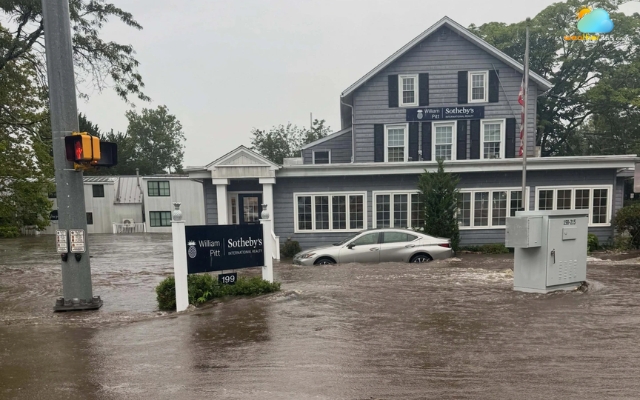
Flash flooding in downtown Westport, Connecticut on Sunday, Sept.13, 2026 (Source: AP News)
Check the latest weather updates
Flooding disrupts roads, rail and air travel
The flooding caused widespread travel problems across the tri-state area. Multiple roads were closed as water covered streets and made some routes unsafe for drivers.
Officials in Connecticut urged motorists to stay away from flooded roads and avoid driving through standing water.
Rail service was also affected. Metro-North and Amtrak reported delays and cancellations on lines serving New Haven, Norwalk, Bridgeport and other Connecticut communities.
The flooding also forced Tweed New Haven Airport to close its departures terminal temporarily, with travelers told not to arrive for Sunday departures until further notice.
The disruption extended beyond Connecticut.
Flooding affected communities in Westchester County, while nearly two dozen flood reports stretched from northern New Jersey toward Rhode Island.
The heavy rain also left numerous vehicles submerged across the region.
Although the heaviest rain has eased in some areas, flooding hazards can remain after storms move out.
Standing water and flooded roads may continue to pose risks, particularly in low-lying areas.
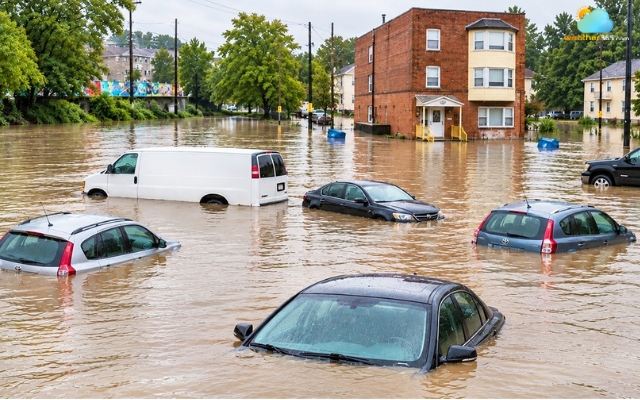
East Coast flash flooding caused widespread travel disruptions
Worth reading
When will the East Coast dry out?
The wet weather is not expected to last long.
High pressure is forecast to build across the Mid-Atlantic and Northeast early this week, helping the region turn drier after the weekend storms.
As rainfall decreases, conditions should gradually improve across the East Coast.
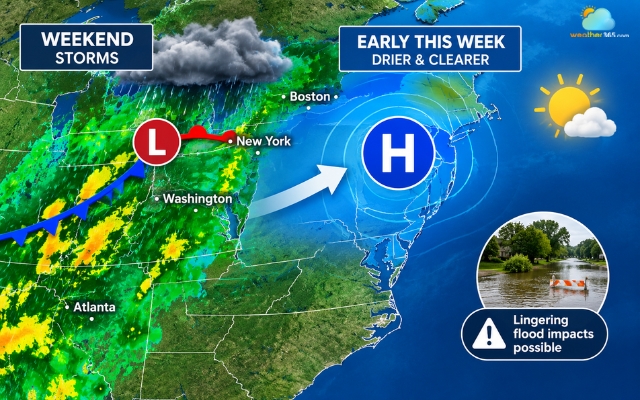
High pressure is forecast to build across the Mid-Atlantic and Northeast early this week
However, some areas may still have standing water or lingering flood impacts after the rain ends.
Drivers should continue to avoid flooded roads and follow local warnings until conditions are safe.
Stay updated for rain, flooding, and travel conditions across the East Coast on Weather365!
Related post

What Are the Worst Floods in History? Look Back at Catastrophic Flooding Events
 414
414
 8
8
 4.7
4.7
 15/05/2026
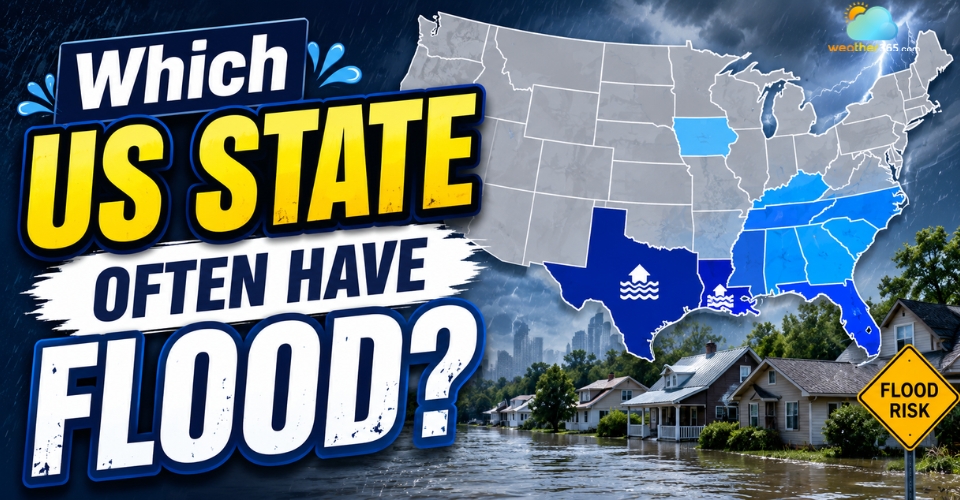
Which US State Often Have Flood? Top 10 Most Flood-Prone States
174
8
4.7
28/08/2026
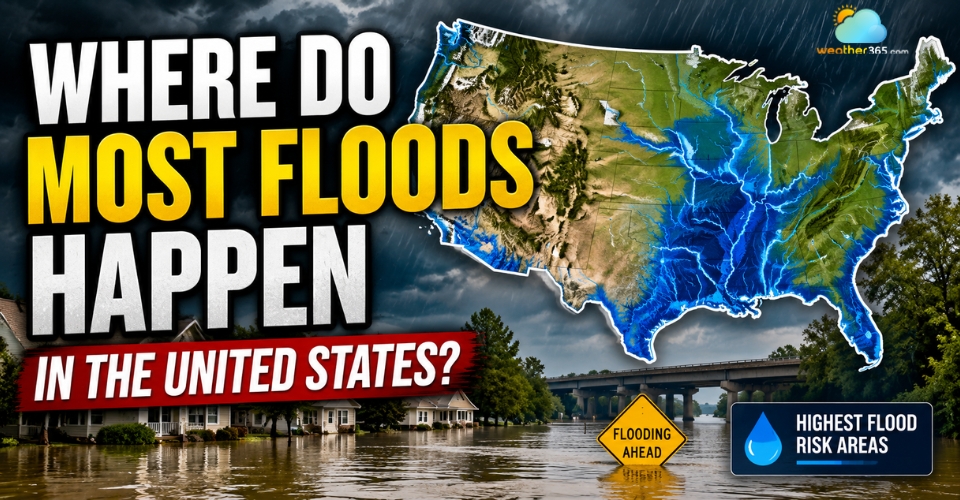
Where do most floods happen in the United States? High-risk areas
130
8
4.8
26/08/2026

0 Comment
Leave a comment
Your email address will not be published. Required fields are marked *